
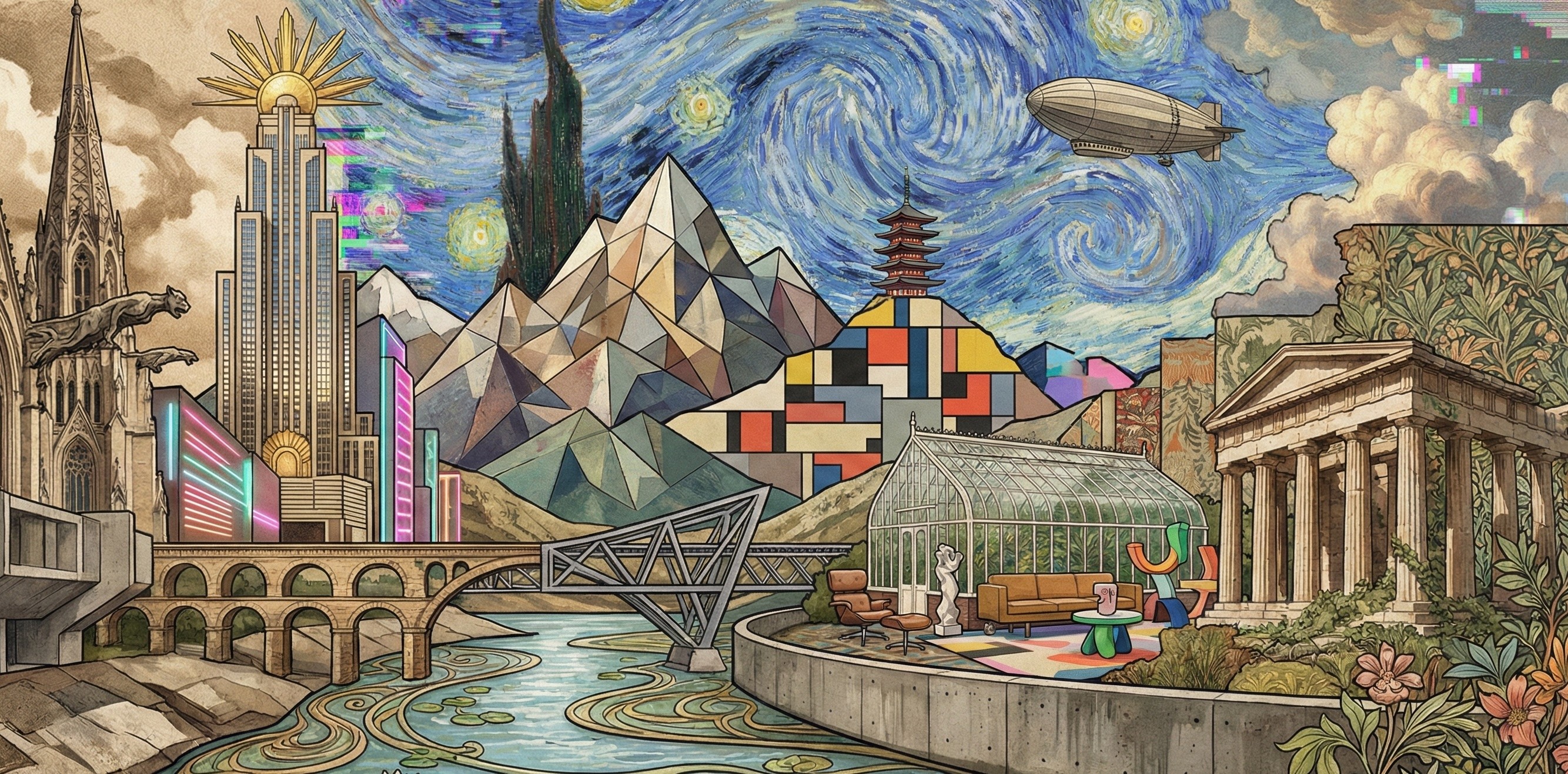
Design movements used to last decades. Now they last months.
With rise of AI and faster lifecycles trends have replaced design movements.
If you're a founder who built your brand around what looked "modern" at the time, that's a problem.
Your brand is aging faster than you think.
Bauhaus ran from 1919 to 1939. Twenty years. One dominant design philosophy. Form follows function. Strip away all the unnecessary. Make things that just work. Some people can't hold a relationship that long, but for an entire era there was one collective design direction shaping everything from architecture to product design.

That doesn't happen anymore.
Template marketplaces, Canva, Figma, AI site builders they've collapsed the design cycle from decades to months. What used to require trained designers and years of cultural momentum now gets replicated, remixed, and deployed in an afternoon.
X and LinkedIn create trend echo chambers. Something looks fresh on Monday. By Friday, a thousand brands have copied it. And don't even get me started on the design gurus pushing "this is the trend for 2026" every other week. They're not helping, they're accelerating the problem.
The result? Design trends churn faster, which means they become redundant faster, which means your brand ages faster.
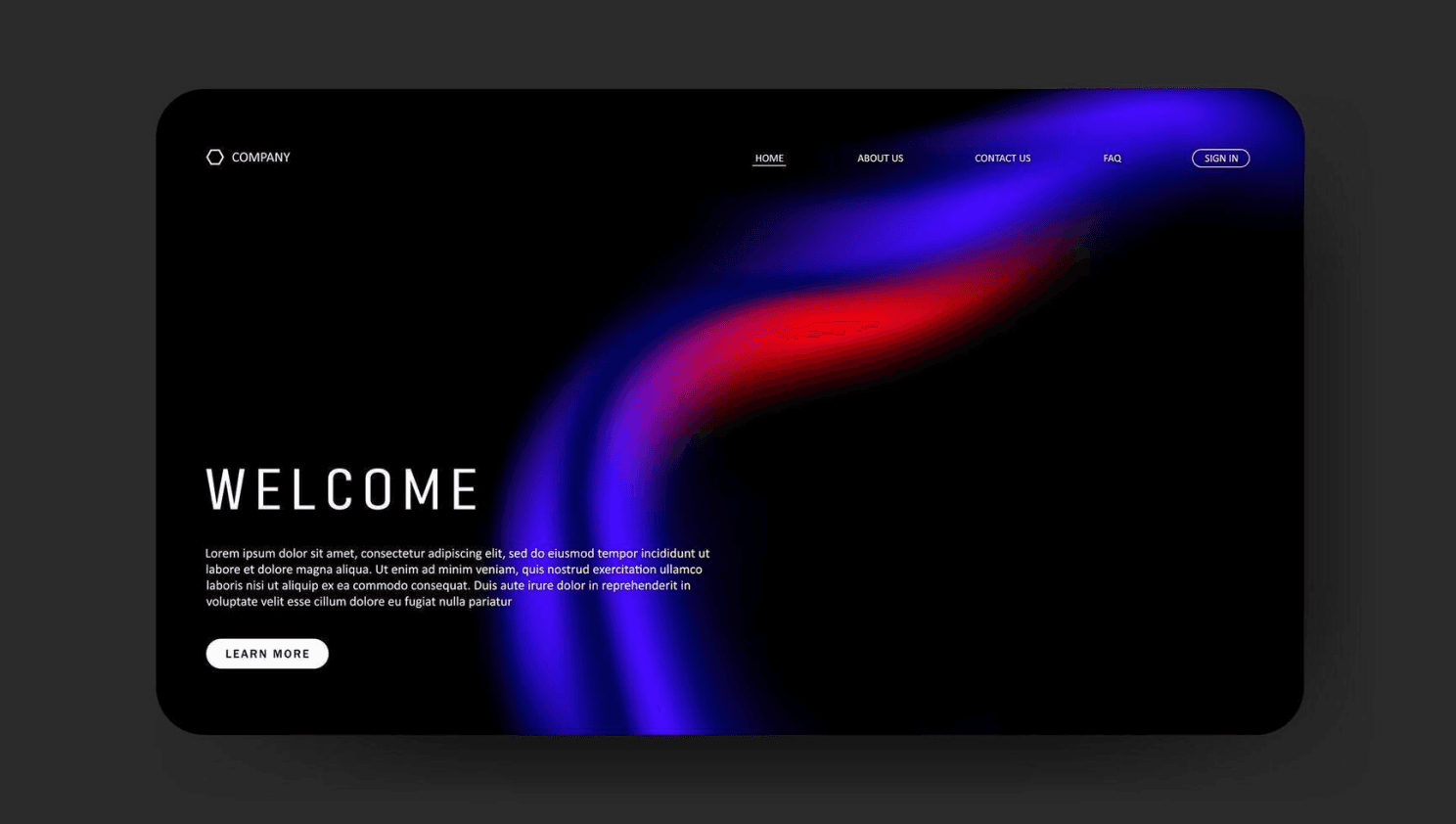
Take the minimal gradient look. That first appeared in the early 2000s, made a comeback in 2018, and popped up again in 2025. Three appearances in twenty years. Never the dominant movement. Never here to stay. If you built your brand around that aesthetic, you've already been "outdated" twice.
This is the trap most founders fall into.
You pick something that feels current, launch with it, and six months later your site looks like last season's template. Not because you did anything wrong, but because the cycle moved on without you.
I've seen this play out more times than I can count. A founder comes to me after rebuilding their site three times in four years. Each time they followed whatever looked "current." Each time it felt fresh for about six months before it started blending in with everything else. Three redesigns, tens of thousands spent, and they still didn't have a brand that felt like theirs.
Another one I see regularly a founder lands a meeting with a bigger client, someone that would genuinely change the trajectory of their business, and the prospect Googles them beforehand. The website looks like it was built from a template that was trendy two years ago. The meeting still happens but the credibility gap is already there before a word is spoken. They're having to play catch up without even realising.
And here's the part people often forget. It's not just your logo. Your brand shows up everywhere your potential customer is looking. Social media, pitch decks, product pages, print, email, event materials. When your brand is built on a trend, it doesn't just age in one place. It ages everywhere, all at once. Brand inconsistency alone costs businesses between £230K and £330K a year at £1M ARR. Probably more than you expected huh.
So here's how to think about it differently.
Stop chasing trends. Build around principles.
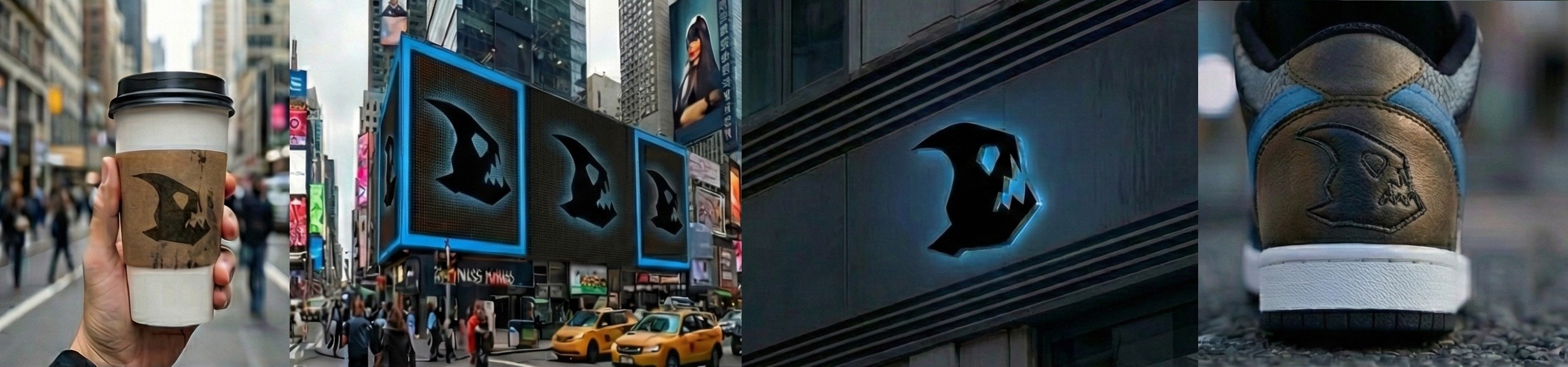
Modern shouldn't mean a specific look. It should mean your brand works across every platform and medium it needs to. Can your brand move from a LinkedIn post to a trade show banner to a mobile screen and still feel like the same company? That's modern.
Professional shouldn't mean a specific style. It should mean your brand demonstrates competency and credibility at a glance. Not because it looks like everyone else in your space, but because it communicates trust through clarity, consistency, and intention.
When you build around principles rather than trends, you don't need to redesign every time a designers post blows up. Your brand has something to stand on that isn't borrowed from whatever's popular this month.
This matters more now than ever. AI raised the design floor overnight. Everyone can look "good enough" in about ten minutes. Which means the brands that survive aren't the ones chasing the newest trend. They're the ones that actually stand for something distinctive enough to not get lost in the sea of sameness.
What we're going to see is a shift towards strategic branding and director led brands. The founders who treat brand as a strategic asset, who understand their customer deeply enough to build something with real positioning behind it, those are the ones who'll build brands that survive the trends.
The trend-hoppers will keep redesigning every six months wondering why nothing sticks.
My advice to anyone with a brand. Fuck off the latest trend. You're better than that. Figure out who you want buying your stuff, and who shouldn't be buying it. Then pick out what motivates them, what they think about, how they see themselves. And importantly what your product makes them feel. Then lean into this and do it unapologetically. You're not aiming to please everyone.
Your aim is to be your brand, unapologetically.
Book a free diagnostic. We'll show you exactly where your competitors are beating you on perception. Whether you work with us or not